

At the heart of the popular TV series "Blue Bloods" lies a rich tapestry of narratives, woven with threads of religion that guide the lives of its characters. The Reagan family, consisting of police officers and lawyers dedicated to law and justice in New York City, often finds themselves at the intersection of professional duties and moral convictions. It's in these crucial moments that their faith becomes pivotal, guiding them through challenges and ethical quandaries.


The patriarch, Frank Reagan, portrayed by Tom Selleck, often showcases how his religious beliefs not only shapes his parenting style but also his perspective on law enforcement. His decisions, steeped in moral integrity, reflect his struggle to balance the laws of the land with the laws of the heart. Bookmark Blue Bloods TV series Similarly, his children, Danny, Erin, and Jamie, face their career challenges with a foundation of faith-based values that impact their choices, from the battlefield of crime to courtroom battles.
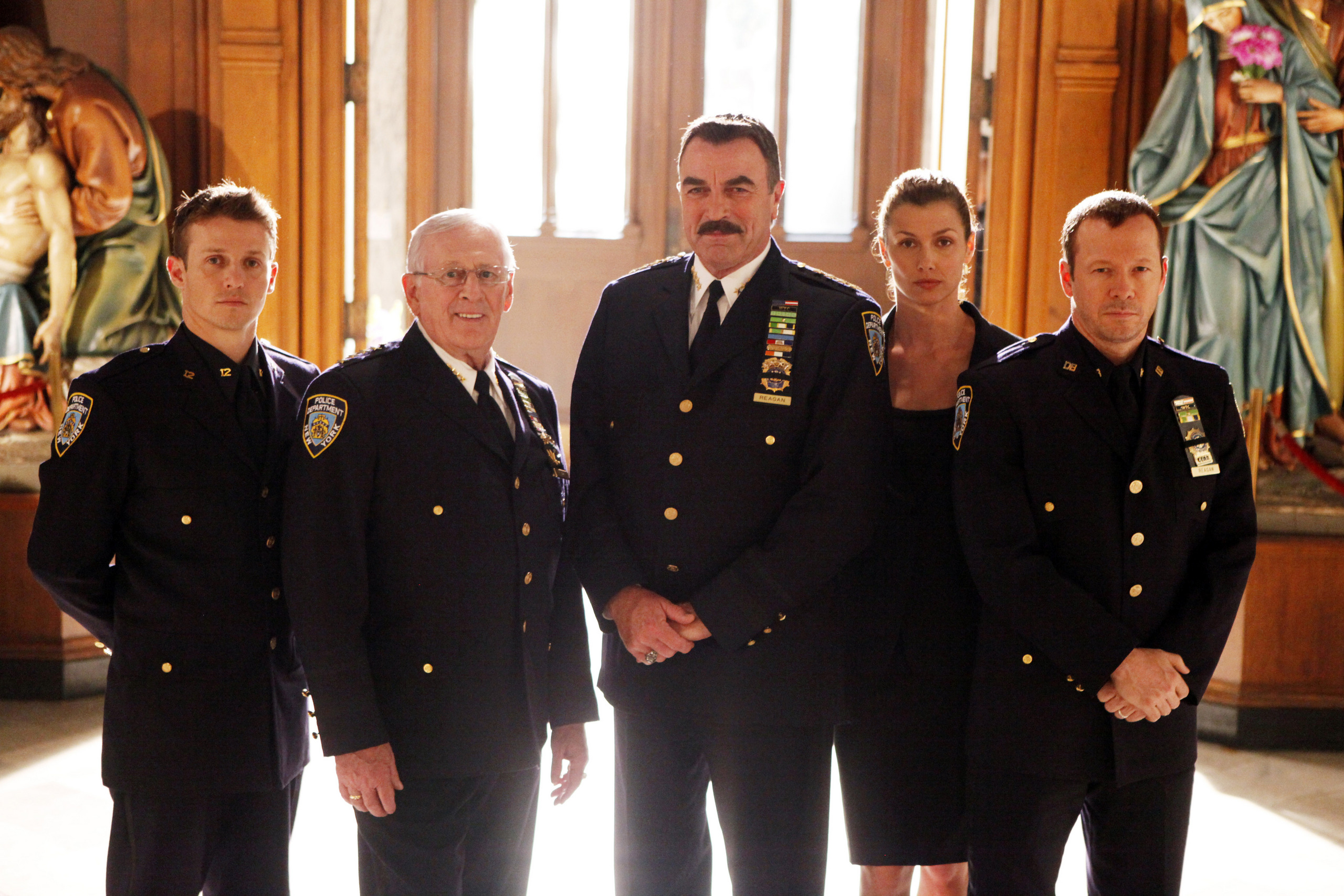
The show boldly explores complex issues such as the death penalty, corruption, and personal sacrifice, always bringing the characters' faith into consideration. It demonstrates how their faith isn't merely a personal choice but a fundamental aspect that shapes their selves and their worldview.

Moreover, the Reagan family dinners, a staple of nearly every episode, highlight how faith and religion infiltrate their daily conversations. These scenes are an avenue for debating, questioning, and strengthening their beliefs, demonstrating the audience that faith can serve as both a guide and sanctuary in times of trouble.
"Blue Bloods" goes beyond being just a cop show; it is a series deeply embedded with themes of faith and morality. The characters' religious convictions offer viewers a glimpse into the multitude of ways faith and belief can impact moral decisions and character development.
In essence, "Blue Bloods" serves as an insightful example of how religion, in all its nuances, shapes the human experience, driving individuals to strive for righteousness not only in their actions but in their hearts as well. It admires the importance of religion in shaping not just the moral compass of the Reagan family, but its potential to influence the broader community at large.