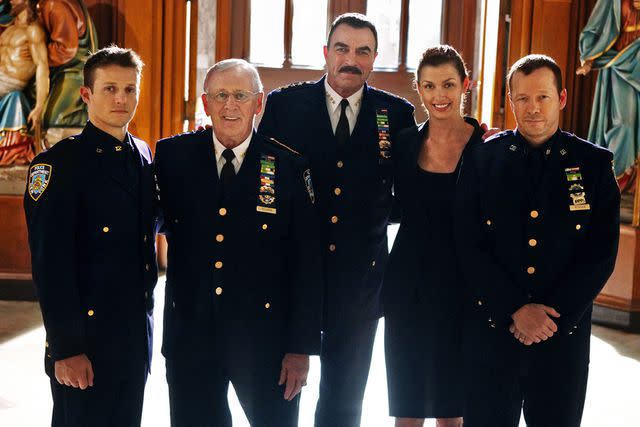
The hit television series "Blue Bloods," airing since 2010, has become a cornerstone in the portrayal of law enforcement on the small screen. Central to the show is the Reagan family, a multigenerational clan deeply entrenched in New York City's law enforcement and legal system. The series blends drama with poignant social commentary, meticulously navigating the complex evolution of policing in response to modern societal challenges.
As the series progresses, viewers witness the adaptation and evolution of law enforcement strategies to address new challenges. The show doesn't avoid tackling difficult issues, including the use of force, systemic racism, and the psychological well-being of law enforcement personnel. Instead, it provides a balanced view, acknowledging the inherent complexities within these issues, while exploring the implications of these challenges on policing strategies.

One of the compelling aspects of "Blue Bloods" is its portrayal of internal conflict within the Reagan family as they grapple with their roles in the evolving landscape of law enforcement. It mirrors the larger conversation happening in society regarding the function of police and their interaction with the communities they serve. The series showcases the importance of adaptation and reform in law enforcement, pushing the narrative that change is necessary and achievable.

Moreover, "Blue Bloods" addresses the significance of technological advancements in contemporary law enforcement activities, including its impact on surveillance methods and the analytical processes of investigations. The integration of these technologies into the storyline underlines the importance of balancing efficacy with ethical considerations, a recurring theme in episodes dealing with these advancements.
In its representation of women and minorities in policing, "Blue Bloods" has evolved to more accurately reflect the diversity and challenges within the profession, though it continues to navigate the complexities of these portrayals. Bookmark Blue Bloods TV series The series has made strides in depicting the professional and personal dynamics of women and minority characters, contributing to the broader conversation about representation and equality in law enforcement.
In conclusion, "Blue Bloods" offers viewers a multifaceted view of the challenges and changes within contemporary law enforcement, delivered through the compelling lens of the Reagan family saga. It serves as an important piece of television, showcasing the continuous transformation of policing in response to societal shifts.